Products · 9 min read
Single Phase vs Three Phase Energy Monitoring
Which supply you have decides the voltage references. How many CT channels you have decides what you can actually see. They are separate questions.
Published · Updated
Two questions get run together when people specify a monitor, and they are genuinely separate. The first is what supply the building has, which is fixed and not up to you. The second is how many circuits you want measured, which is a design decision.
Getting the first wrong means the device cannot be installed. Getting the second wrong means it installs fine and then fails to answer the question you bought it for.
What single and three phase mean at the board
A single phase domestic connection brings one live conductor and one neutral into the property. Everything in the house sits across that one pair. This is the standard residential connection across most of India.
A three phase connection brings three live conductors, each offset in time from the others, plus a neutral. Loads are distributed across the three, and heavy equipment such as large motors or lifts may run across all three at once. Larger homes, villas with substantial sanctioned load, and almost all commercial premises are supplied this way.
How to tell which you have
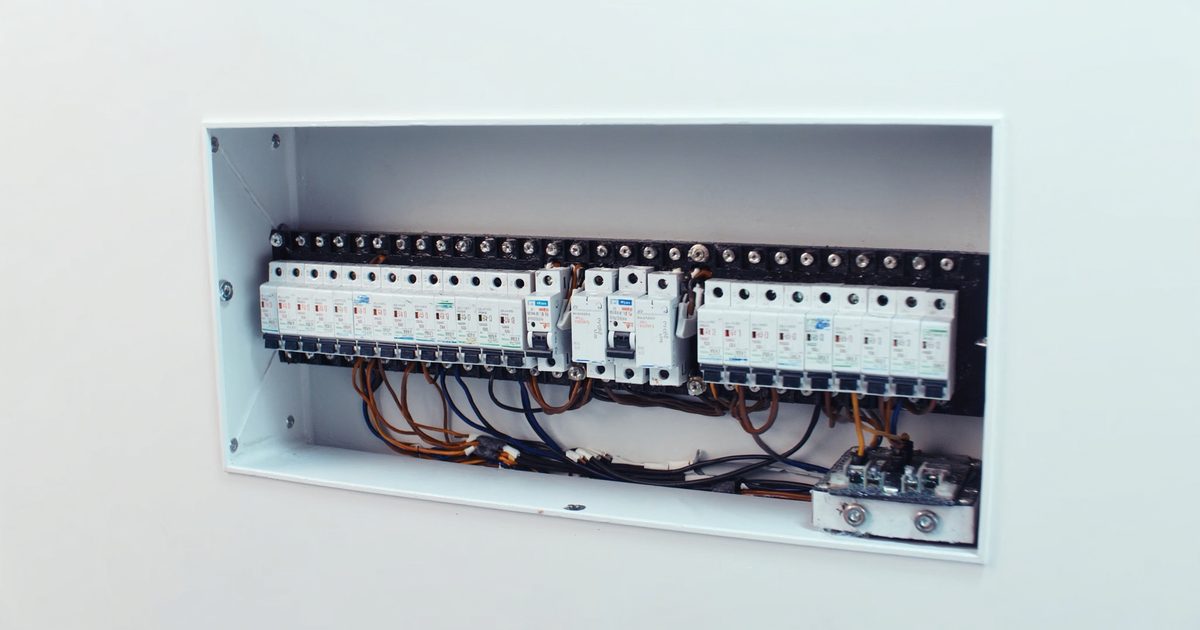
- Open the distribution board and look at the main incoming breaker — a single wide breaker with one live terminal indicates single phase, three ganged poles indicate three
- Check the sanctioned load on your bill; connections above a threshold set by your distribution company are usually three phase
- A three phase board typically shows loads grouped in three sets, often with red, yellow and blue markings
If there is any doubt, the electrician who will install the monitor can confirm it in seconds. It is not a judgement call.
What actually changes for monitoring
The measurement principle is identical: clamp the conductors, reference the voltage, compute power. What changes is how many voltage references the device needs.
A single phase monitor takes one voltage reference, because there is only one. A three phase monitor takes three — voltage A, B and C — because the phases are independent and can differ from each other in both magnitude and behaviour. This is why a single phase device cannot simply be used on a three phase board: it would measure current on conductors whose voltage it has no reference for.
Channels are the separate question
Each CT channel is one thing you can see. The EMD-3C provides three channels on a single phase supply; the EMD-6C provides six on three phase. Both are DIN rail mounted in the existing board and both measure forward and reverse energy per channel, so import and export are distinguished rather than netted.
The design question is what you spend those channels on, and it is worth thinking through before installation rather than after.
Typical single phase allocation
- 1Grid main — gives import and export, and by extension net position
- 2Solar inverter output — gives generation
- 3One heavy circuit, commonly the air conditioning or the geyser — isolates the load most likely to explain a high bill
With those three, consumption is derived rather than measured, and you still get a complete site picture.
Typical three phase allocation
- 1Three channels on the grid main, one per phase — import and export per phase
- 2Three channels on the solar supply — generation per phase, which is what exposes an inverter running unevenly
On a site without solar, those six channels can instead cover the grid and three separate load groups, which suits submetering or a commercial panel where departments or tenants need separating.
Phase imbalance, which only three phase sites see
On a three phase supply the loads are meant to be spread reasonably evenly across the phases. In practice they drift. Someone adds an air conditioner to whichever phase was convenient, and over a few years one phase carries substantially more than the others.
Imbalance causes real problems: neutral current that should not be there, higher losses, nuisance tripping on the loaded phase while the others sit idle, and in some tariffs a penalty. None of it is visible from a single aggregate figure, and none of it is visible on a single phase monitor fitted to a three phase board.
Per-phase measurement makes it obvious, and the fix is usually just moving a circuit from one phase to another at the board.
Choosing
- Single phase supply, residential, with or without rooftop solar — the three channel device covers grid, solar and one load
- Three phase supply of any kind — the six channel device, because the phases need independent voltage references regardless of how many circuits you care about
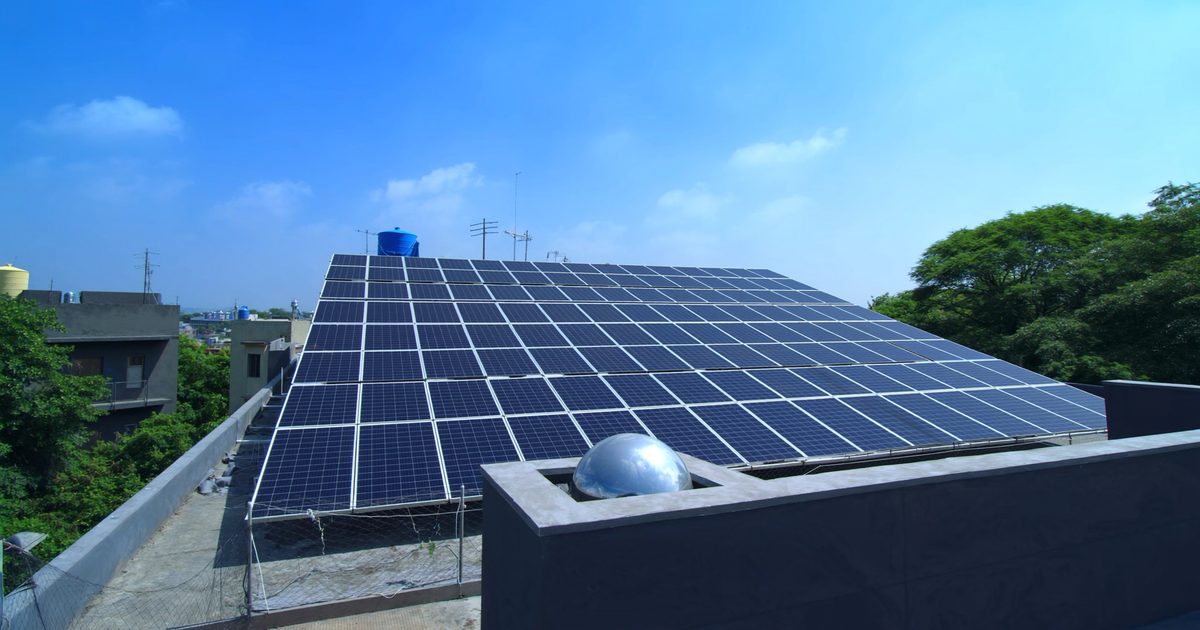
- Three phase with solar — six channels lets you take both grid and generation per phase, which is what makes inverter faults visible
Common questions
Can I use a single phase energy monitor on a three phase supply?
No. A three phase supply needs a voltage reference for each of the three phases, and a single phase device provides only one. It would be measuring current on conductors whose voltage it cannot see, so the power figures would be wrong.
How do I know whether my home is single or three phase?
Look at the main incoming breaker in your distribution board: one live terminal means single phase, three ganged poles mean three phase. Your electricity bill's sanctioned load is another indicator, and any electrician can confirm it immediately.
How many CT channels do I need?
One per thing you want to see separately. A single phase home with solar is typically well served by three — grid, solar and one heavy load. A three phase site with solar usually wants six, so that both grid and generation can be measured on each phase.