Solar · 8 min read
Why Your Solar System Isn't Cutting Your Bill
Panels on the roof but the bill barely moved? Six reasons that happens, and how to work out which one is yours.
Published
A rooftop system that generates well can still leave you with a bill that looks stubbornly familiar. That is usually not a fault — it is a mismatch between when the panels produce and when the house consumes, or between what the system was sized for and what the household actually draws.
The frustrating part is that a monthly bill cannot tell you which it is. It gives you one number for the month, long after the behaviour that caused it. Below are the six explanations that account for nearly every case, and what evidence separates them.
Start by separating generation from savings
These are two different questions, and conflating them is the most common mistake. A system can generate exactly what it should and still save very little. Before diagnosing anything, establish what the array actually produced — most inverters report daily and monthly totals through their own app.
If generation is roughly in line with what your installer projected, the problem is on the consumption side. If generation is well short, the problem is the array or the inverter. That single split rules out half the list immediately.
Reason 1: Most of it is being exported
This is by far the most common cause. Solar peaks around the middle of the day. In a house where everyone is out at work or school until evening, the load at that hour is a fridge, a router and some standby draw — a fraction of what the roof is producing. The surplus goes to the grid.
Exported units are credited, but in most arrangements they are worth less to you than units you consume directly. A unit you use yourself displaces a unit you would have bought at the retail tariff, including whatever slab you happen to be in. A unit you export is settled at whatever your state allows, which is often lower and sometimes only carried forward as a credit rather than paid out.
The signature of this problem is a healthy generation figure alongside a high import figure, with heavy export during daylight and heavy import after sunset.
Reason 2: The system is smaller than your consumption
Systems are often sized to a budget, a roof area, or a sanctioned load limit rather than to actual annual consumption. A 3 kW array on a house that draws 900 units a month was never going to eliminate the bill — it was going to reduce it by a predictable fraction.
This one is arithmetic rather than diagnosis. Compare a year of generation against a year of consumption. If generation is 40 percent of consumption, a 40 percent reduction is roughly the ceiling, and only if all of it were self-consumed.
Reason 3: Shading, soiling and heat
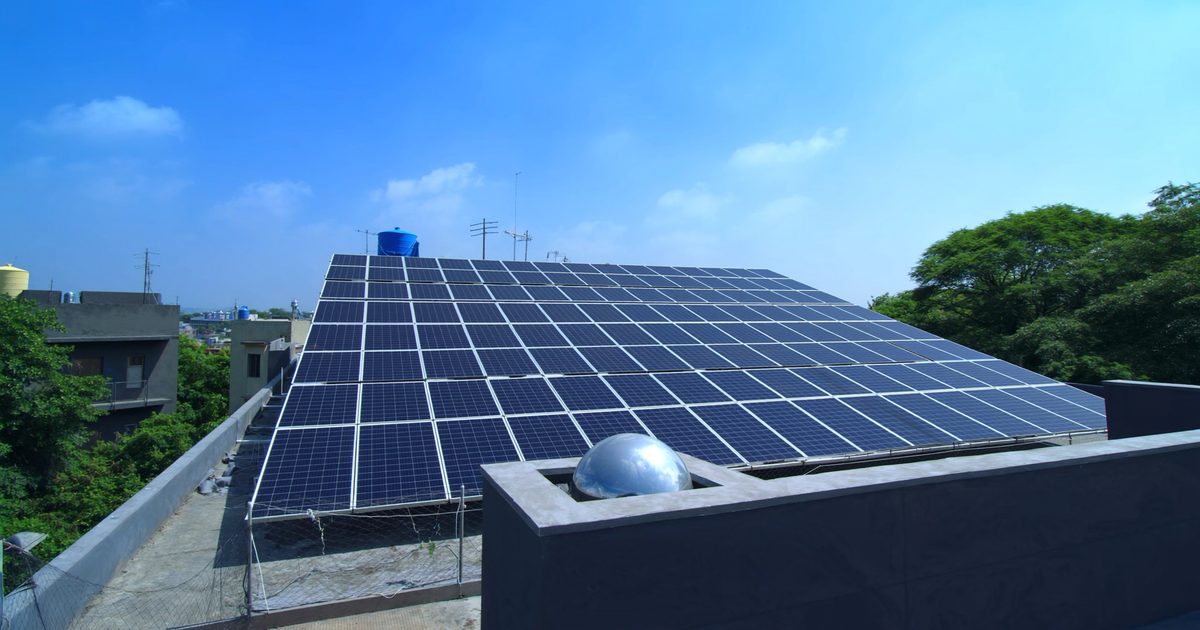
Output degrades quietly. A water tank, a parapet wall or a neighbour's new floor casts a shadow that moves across the array through the season. Dust accumulates, particularly through dry months, and panels lose efficiency as they get hotter — a fact that surprises people who expect the hottest days to be the best ones.
- Shading shows up as a repeatable dip at the same hour each day rather than a general decline
- Soiling shows up as a slow slide over weeks that recovers sharply after rain or cleaning
- Heat derating shows up as a mid-afternoon plateau below the morning peak on hot days
Reason 4: The inverter is underperforming
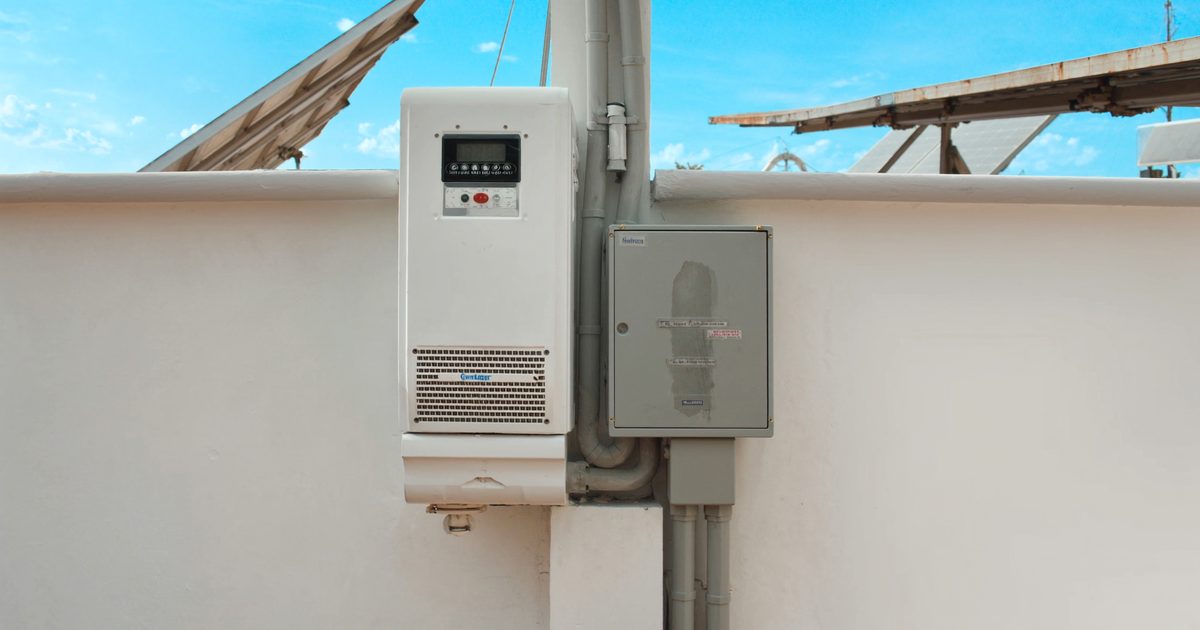
Inverters fail partially far more often than they fail completely. A single MPPT input dropping out, a string disconnected during other roof work, or repeated thermal shutdowns in the afternoon can remove a large slice of production without producing any obvious alarm.
Because the loss is partial, it rarely gets noticed until someone compares this year against last year at the same time of year — which is exactly the comparison a monthly bill makes impossible.
Reason 5: A large part of the bill was never energy
Your bill contains fixed charges tied to sanctioned load, plus duties and surcharges. Solar reduces the energy component. It does not touch the fixed component. On a modest bill, the fixed portion can be a substantial share of the total, which puts a hard floor under what any system can save.
This is worth checking before concluding anything is wrong, because it is not a fault at all — it is the structure of the tariff.
Reason 6: Consumption grew at the same time
Solar and a new air conditioner, an EV, or a second fridge often arrive in the same year. Generation is doing its job; consumption simply rose to meet it. The bill looks unchanged, so the system takes the blame.
The only way to see this is to look at consumption independently of generation, which again is something a net figure on a bill actively hides.
How to work out which one is yours
- 1Pull a full year of generation from your inverter app and a year of units billed. Compare the totals.
- 2If generation is short of projection, work through shading, soiling and inverter faults — in that order, since the first two are cheap to rule out.
- 3If generation is on target, measure how much of it you actually consume rather than export.
- 4Check what share of your bill is fixed charges and duties, and set your expectations against the energy component only.
- 5Compare this year's consumption against the year before the system went in.
Once you can see the split, the fix usually becomes obvious — and in the export case it is often free. Shifting the washing machine, the dishwasher, the pool or borewell pump and any EV charging into daylight hours converts exported units into self-consumed ones, at no cost beyond changing a timer.
Common questions
Why is my electricity bill still high after installing solar?
Most often because generation peaks at midday while the household consumes in the evening, so the surplus is exported rather than used. Exported units are usually worth less than units you consume directly. Fixed charges on the bill also stay the same regardless of how much solar you generate.
Is it better to use solar directly or export it?
Using it directly is almost always worth more. A self-consumed unit displaces one you would have bought at the full retail tariff, while an exported unit is settled at whatever rate your state's policy allows, which is typically lower.
How do I know if my solar panels are underperforming?
Compare actual generation against your installer's projection for the same months, and against the same period last year. A repeatable dip at the same time each day suggests shading; a gradual decline that recovers after cleaning suggests soiling; a sudden step down suggests an inverter or string fault.